Sortowanie
Źródło opisu
Katalog
(3)
Forma i typ
Książki
(3)
Proza
(2)
Publikacje popularnonaukowe
(1)
Dostępność
dostępne
(2)
wypożyczone
(1)
Placówka
Poliglotka (Nowolipki 21)
(3)
Autor
Gospodinov Georgi (1968- )
(2)
Rodel Angela
(2)
O'Toole Fintan (1958- )
(1)
Rok wydania
2020 - 2026
(3)
Okres powstania dzieła
2001-
(3)
Kraj wydania
Stany Zjednoczone
(2)
Wielka Brytania
(1)
Język
angielski
(3)
Przynależność kulturowa
Literatura bułgarska
(2)
Temat
Choroby ludzi
(1)
O'Toole, Fintan (1958- )
(1)
Ogrodnicy
(1)
Ojcowie i synowie
(1)
Pamięć
(1)
Podróże w czasie
(1)
Polityka wewnętrzna
(1)
Społeczeństwo
(1)
Szpitale kliniczne
(1)
Ustrój polityczny
(1)
Wynalazcy i odkrywcy
(1)
Śmierć
(1)
Żałoba
(1)
Temat: czas
1901-2000
(1)
1945-1989
(1)
1989-2000
(1)
2001-
(1)
Temat: miejsce
Irlandia
(1)
Gatunek
Powieść
(2)
Fantastyka
(1)
Opracowanie
(1)
Dziedzina i ujęcie
Historia
(1)
Polityka, politologia, administracja publiczna
(1)
Socjologia i społeczeństwo
(1)
3 wyniki Filtruj
Książka
W koszyku
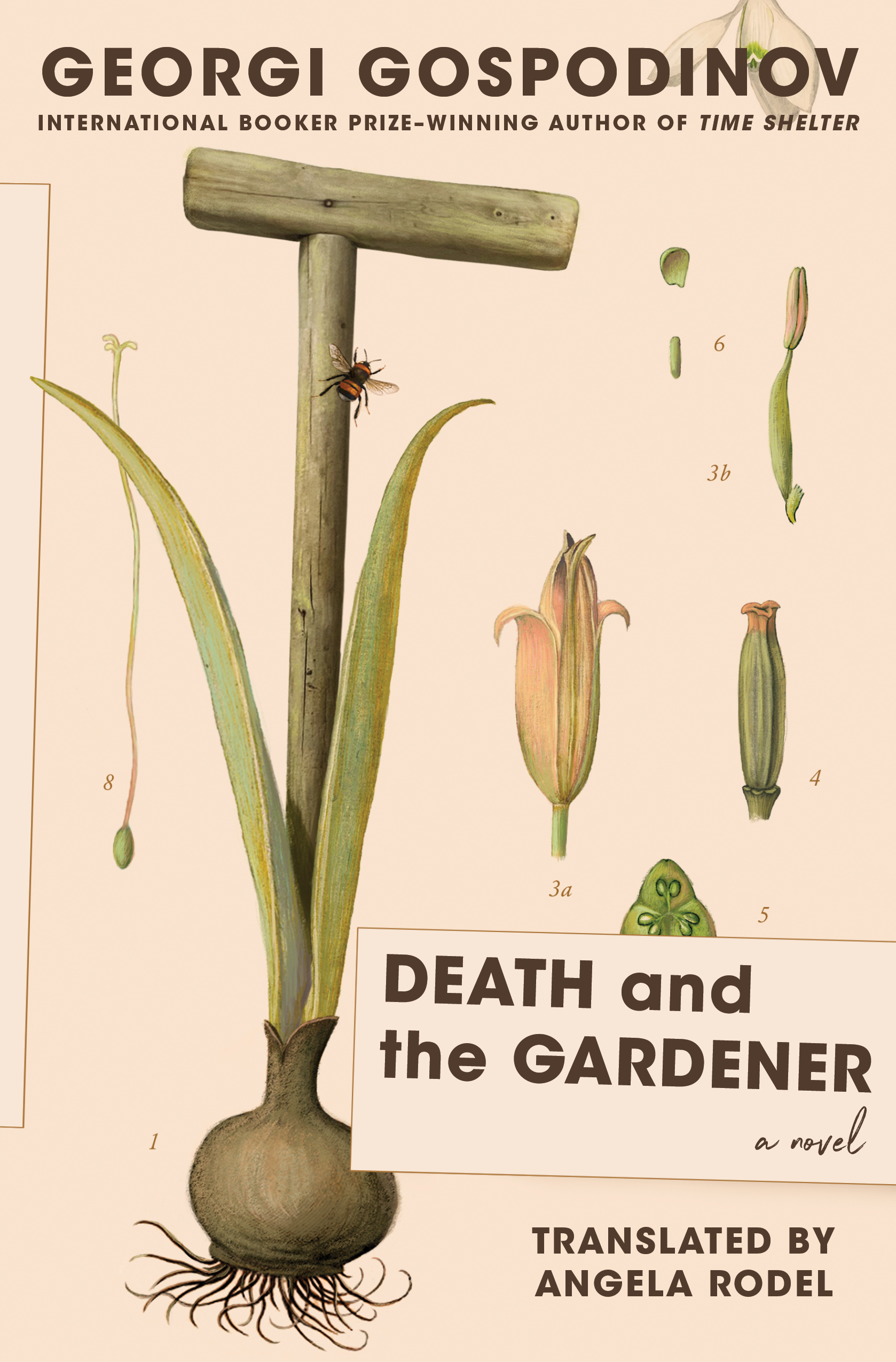
Książka w języku angielskim. A powerful novel on grief and the inevitable end of childhood. Death and the Gardener traces the final month of a father’s life, a dying father in a dying world. His son Georgi, the narrator, reports both radically and gently from those end times. The novel unfolds also as a history of the father’s generation - born in Bulgaria at the end of World War II, “often absent, clinging to the snorkel of a cigarette, swimming in different waters and clouds.” What kept the old man down to earth was his garden, turning after his departure into a place of ultimate loss but also of consolation, where he would live on in the first tulips of spring. With striking acuity, Georgi Gospodinov explores the peculiar reality of taming grief through storytelling.
1 placówka posiada w zbiorach tę pozycję. Rozwiń informację, by zobaczyć szczegóły.
Są egzemplarze dostępne do wypożyczenia: sygn. 821-3 bułg. (1 egz.)
Książka
W koszyku
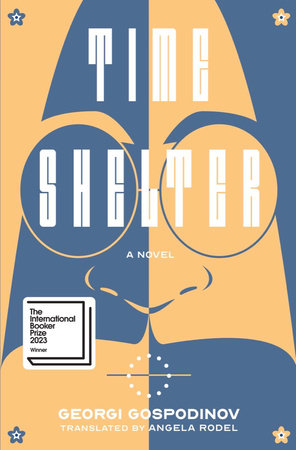
Książka w języku angielskim. An award-winning international sensation—with a second-act dystopian twist — "Time shelter" is a tour de force set in a world clamoring for the past before it forgets. In an apricot-colored building in Zurich, surrounded by curiously planted forget-me-nots, Gaustine has opened the first “clinic for the past,” an institution that offers an inspired treatment for Alzheimer’s sufferers: each floor reproduces a past decade in minute detail, allowing patients to transport themselves back in time to unlock what is left of their fading memories. Serving as Gaustine’s assistant, the narrator is tasked with collecting the flotsam and jetsam of the past, from 1960s furniture and 1940s shirt buttons to nostalgic scents and even wisps of afternoon light. But as the charade becomes more convincing, an increasing number of healthy people seek out the clinic to escape from the dead-end of their daily lives—a development that results in an unexpected conundrum when the past begins to invade the present. Through sharply satirical, labyrinth-like vignettes reminiscent of Italo Calvino and Franz Kafka, the narrator recounts in breathtaking prose just how he became entrenched in a plot to stop time itself.
1 placówka posiada w zbiorach tę pozycję. Rozwiń informację, by zobaczyć szczegóły.
Wszystkie egzemplarze są obecnie wypożyczone: sygn. 821-3 bułg. (1 egz.)
Książka
W koszyku
Indeks.
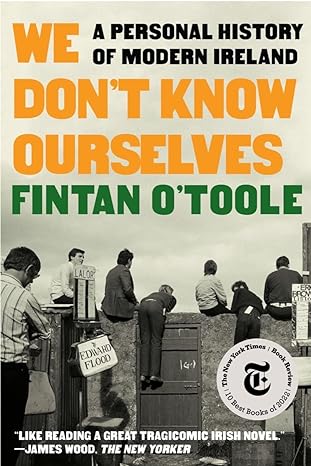
Książka w języku angielskim. A celebrated Irish writer’s magisterial, brilliantly insightful chronicle of the wrenching transformations that dragged his homeland into the modern world. Fintan O’Toole was born in the year the revolution began. It was 1958, and the Irish government—in despair, because all the young people were leaving—opened the country to foreign investment and popular culture. So began a decades-long, ongoing experiment with Irish national identity. In We Don’t Know Ourselves, O’Toole, one of the Anglophone world’s most consummate stylists, weaves his own experiences into Irish social, cultural, and economic change, showing how Ireland, in just one lifetime, has gone from a reactionary “backwater” to an almost totally open society—perhaps the most astonishing national transformation in modern history.
1 placówka posiada w zbiorach tę pozycję. Rozwiń informację, by zobaczyć szczegóły.
Są egzemplarze dostępne do wypożyczenia: sygn. 94(4) Irlandia (1 egz.)
Pozycja została dodana do koszyka. Jeśli nie wiesz, do czego służy koszyk, kliknij tutaj, aby poznać szczegóły.
Nie pokazuj tego więcej